Recently, I had a conversation that really stayed with me.
A family had invested in a photo session something that should have been a beautiful, meaningful experience. But when they received their gallery, something felt off.
Their images had been heavily altered using AI.
Not just small edits or enhancements but changes to how they actually looked. Faces softened, features changed, and most heartbreakingly, their children didn’t look like themselves anymore.
What should have been a gallery full of memories instead became something upsetting.
And it raised a really important conversation.
As photographers, we are trusted with something incredibly personal.
You’re inviting us into your lives, your homes, your families. You’re trusting us to capture your children, your relationships, your memories as they are right now.
That trust matters.
And with the rise of AI in photography, it’s more important than ever that we use that trust responsibly.
AI can be an incredible tool when used with care. It can help with small refinements removing distractions, enhancing light, or polishing an image in a way that still feels natural and true.
But there is a line.
And that line is when we stop enhancing a photo… and start changing the people in it.
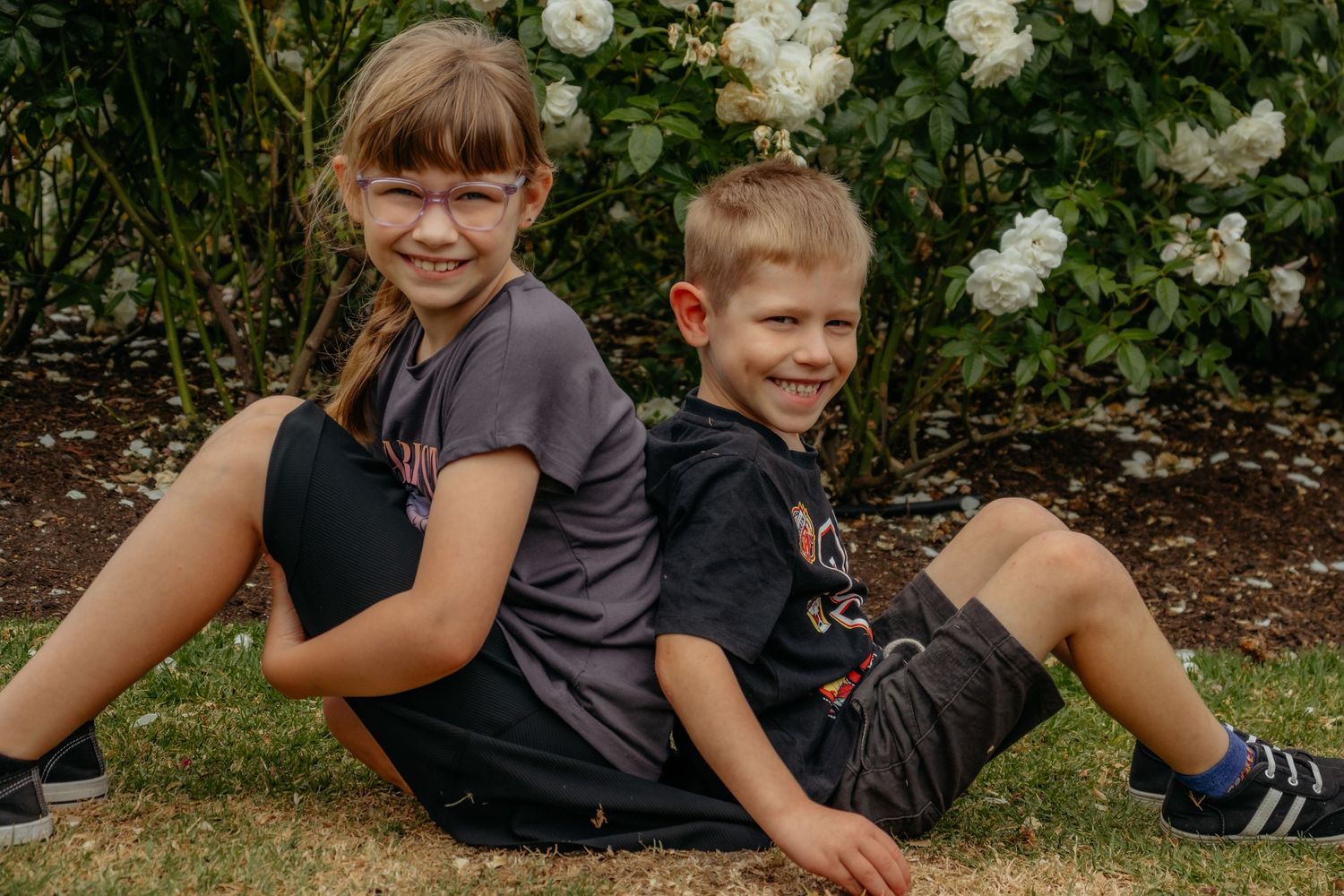
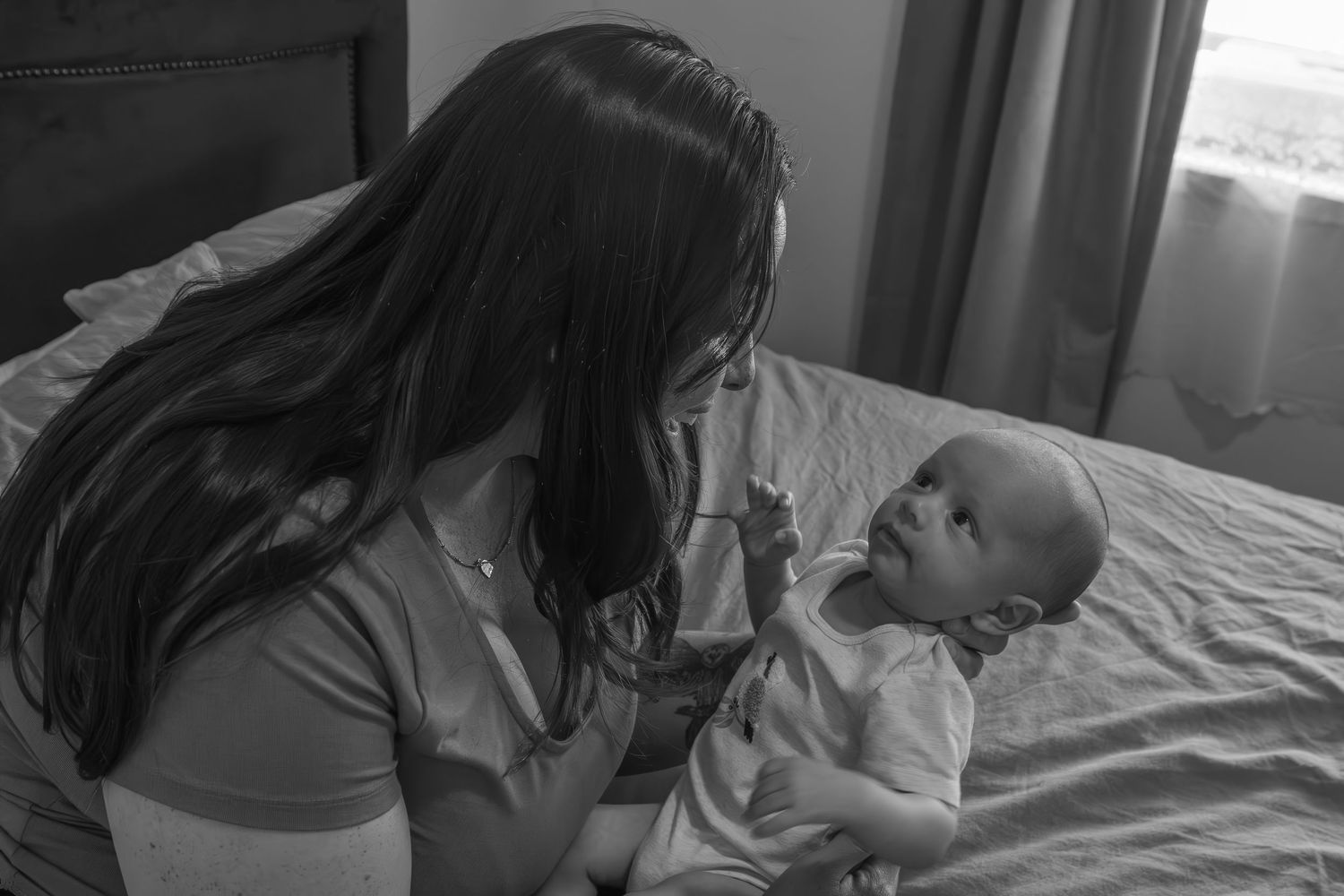
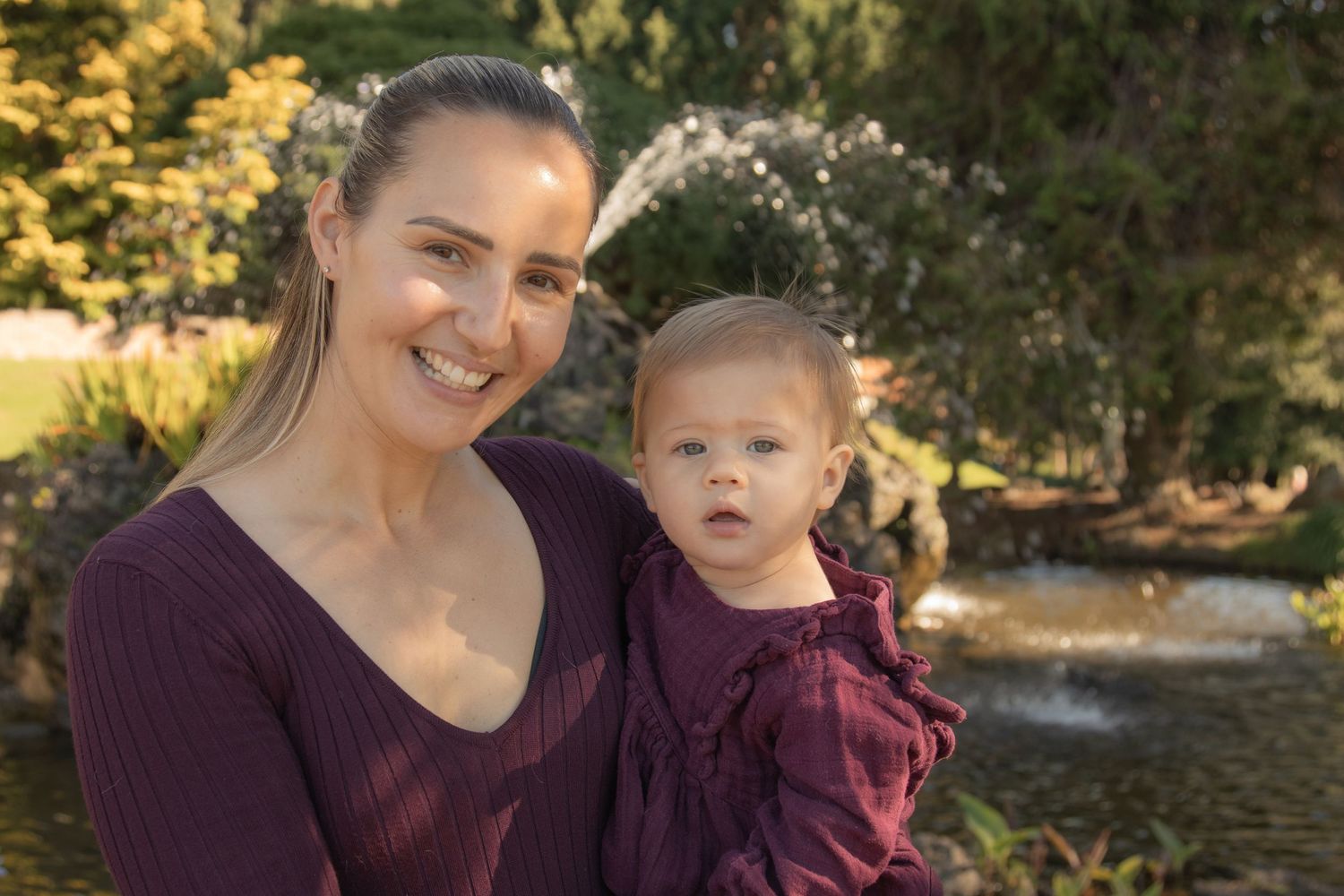
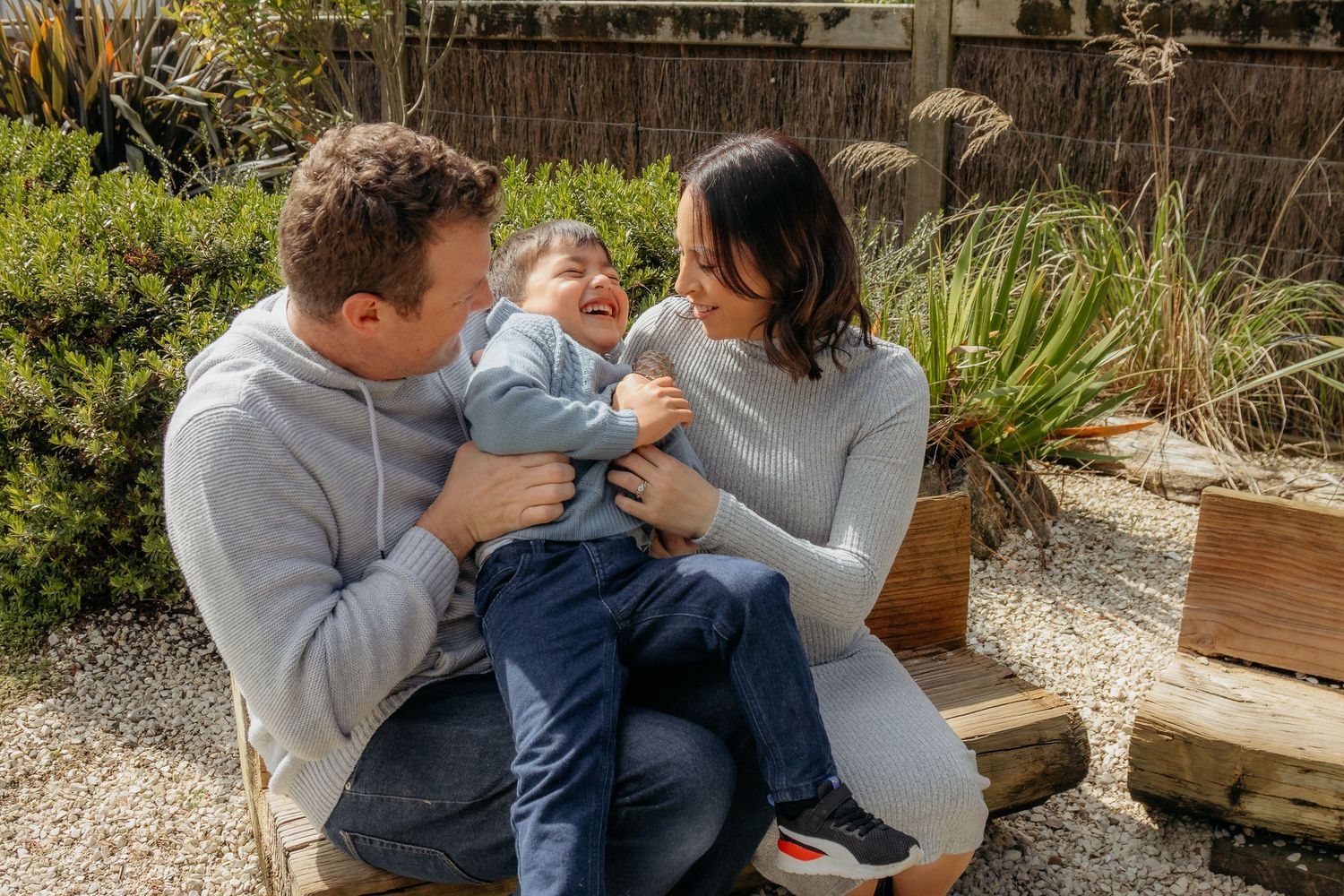
Family photography isn’t about perfection. It’s not about smoothing every feature or reshaping how someone looks. It’s about capturing connection, personality, and the reality of this season of life.
Because these photos aren’t just for now.
They’re for your children to look back on. They’re for you to remember what this time felt like. And they should reflect you — not an AI-generated version of you.
To anyone reading this, or anyone about to book a photographer:
If you ever receive a gallery that doesn’t feel like you, it’s okay to question it. It’s okay to speak up. Your photos should feel honest and familiar not altered or unrecognisable.
And to fellow photographers:
This is something we need to take seriously.
We are not just creating images we are preserving memories. We are documenting people’s lives in a way that carries emotional weight for years to come.
Using tools like AI isn’t the issue in itself. It’s how we use them.
Our role is not to change our clients.
Our role is to see them, capture them, and give them something real to hold onto.
Because one day, these photos won’t just be looked at they’ll be felt.
And they deserve to be true.